

Exploring the Abyss: Sites Missing from the Internet’s Landscape
In an era where digital presence has become synonymous with existence, it’s perplexing to consider the multitude of sites that are conspicuously absent from our daily online experiences. Numerous factors contribute to the absence of certain platforms, which can range from regulatory challenges and market dynamics to simple obscurity or lack of resources. One noteworthy website that showcases a unique aspect of culture and craftsmanship is which sites are not on GamStop harristweedco.co.uk, yet there are many others that we either have never heard of or have simply vanished from the internet. This article delves into the realms of websites that have not made it online, providing insights into the reasons behind their absence and their socio-economic implications.
Understanding the Landscape of Missing Sites
The internet is a sprawling ecosystem comprised of billions of websites, yet certain niches remain surprisingly underserved. A peculiar trend can be observed with local artisans, small businesses, or specific community services that fail to migrate to the digital realm. This absence may be attributed to various reasons, including technological barriers, perceived lack of necessity, or even financial constraints.
The Impact of Regulations and Restrictions
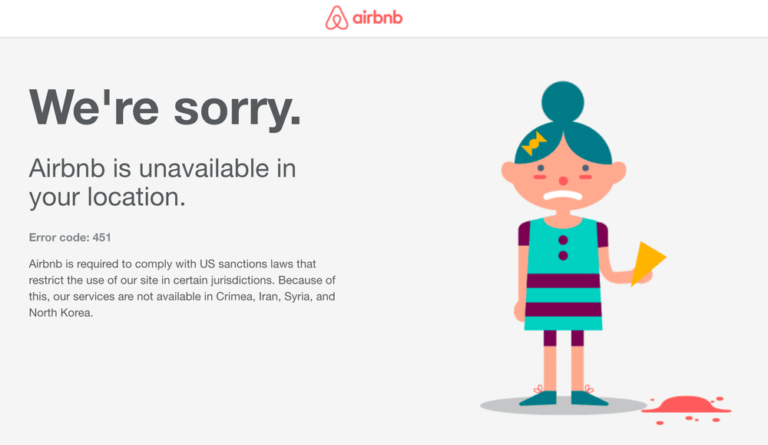
In many regions, strict regulations can stifle the growth of certain websites or online platforms. For instance, countries with authoritarian regimes often censor internet content rigorously, leading to the absence of political or social advocacy sites. The implications of such restrictions are far-reaching, stemming from limited access to diverse perspectives and the potential for knowledge gaps among citizens. In extreme cases, activist websites that challenge governmental views may not exist at all, making it increasingly difficult for marginalized voices to be heard.
Cultural and Market Dynamics
Another dimension to explore is the cultural and market dynamics influencing website creation. Some communities may prioritize traditional means of communication and commerce, spending less time online. In cultural enclaves where handcrafted goods are more valued than mass-produced alternatives, creators might rely on local fairs, markets, or word-of-mouth rather than a digital storefront.
Personal Preference and Technological Aversion
While many embrace the internet as a vital tool, others may feel overwhelmed by technology, leading to a conscious choice to remain offline. This aversion can stem from various factors including age, lack of digital literacy, or a preference for personal interactions. Some businesses may choose to operate solely on their reputation and local clientele, which can effectively limit their online visibility and presence.
Resources and Development Challenges
Creating and sustaining a website often requires significant resources, from initial startup costs to ongoing maintenance and content updates. Many small businesses or solo entrepreneurs may not have the necessary skill set or funds to establish their online presence. Consequently, we may witness the disappearance of potential online platforms that could contribute to the digital marketplace.
The Online Disconnect: What We Miss
The absence of specific websites can create notable gaps in information, service availability, and community engagement. For instance, if local artisans do not leverage digital platforms to promote their businesses, we miss out on vibrant, often unique products or services. This disconnect not only hampers economic opportunities for individuals but also restricts our access to diverse cultural experiences, ultimately narrowing the rich tapestry of global interactions online.
Could Future Efforts Bridge the Gap?
As we become increasingly aware of the importance of internet accessibility, various organizations are working tirelessly to provide resources and training for individuals and businesses that have previously been digitally disconnected. Initiatives aimed at bridging the digital divide can help empower local entrepreneurs, facilitate online training, and foster more inclusive environments. By promoting digital literacy through community programs and inexpensive workshops, we may witness a future where fewer individuals and businesses are left on the periphery of the digital landscape.
The Role of Social Media and Alternative Platforms
While traditional websites may be absent, social media platforms often serve as alternatives to showcase work and connect with potential customers. However, reliance solely on these platforms can have its downsides, including algorithm changes that make finding content more difficult, leading to a potential decrease in visibility and engagement ove
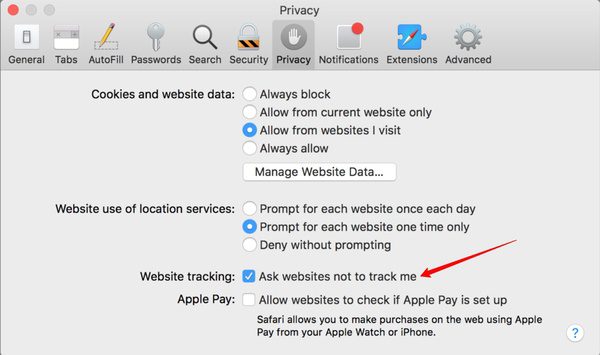
r time. The transient nature of social media can overshadow lasting impacts that dedicated websites might offer, highlighting the importance of maintaining a robust web presence alongside social channels.
Conclusion: Reflecting on the Void
In conclusion, the absence of many websites offers an intricate perspective on the digital world we inhabit today. Various factors contribute to this void, from regulatory challenges and cultural dynamics to resource limitations and personal preferences. As we continue to navigate these complexities, it is vital to foster inclusivity and support efforts aimed at bridging the digital divide. The exploration of missing sites not only illuminates gaps in our current digital landscape but also reinforces the necessity for a diverse and accessible online experience for everyone.
