
B2B iGaming Turnkey Solution for Casino Operators: What’s Included
I’ve tested a B2B igaming turnkey solution end-to-end: it bundled slot content, casino software modules, CRM, payments, and KYC-ready onboarding. For teams searching for a iGaming platform provider like https://turnkeycasino.io/, the process stays streamlined from integration to launch. You also get reliable support, clear reporting, and operator-ready tools that reduce risk while keeping costs under control.
B2B Slot Platform: Game Library, Slot Content, and Compatibility
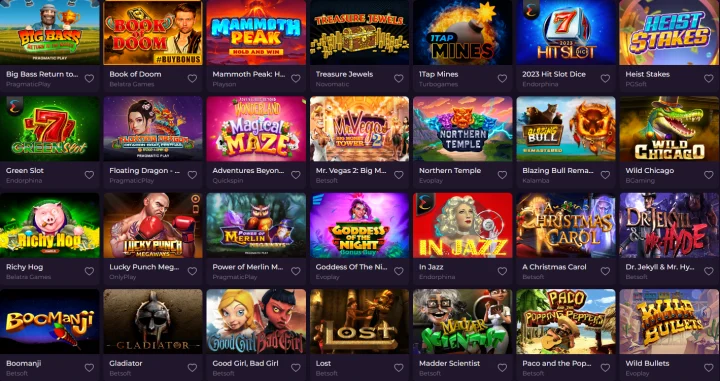
I checked slot content for operators against real integration needs, not demos. Start with a curated library, then make sure it matches your KYC, RTP reporting, and device mix. I prefer providers that support common standards from day one.
- Run a test mapping for RTP + paylines per title before signing.
- Confirm XML/JSON slot feeds work with your back office.
- Require device targets: mobile web, iOS, Android, desktop.
- Validate jackpots + bonus events in a sandbox play session.
- Request a weekly content update schedule with changelog.
B2B Casino Software: Core Modules for a Full Casino Platform
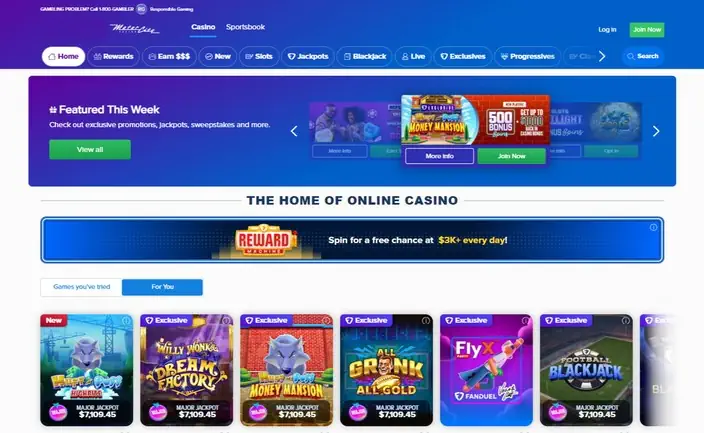
I compared turnkey casino platforms by what you actually get for operator use. Core modules decide go-live speed, not marketing decks. Here’s how the usual suspects stack up.
| Brand | key specification | price range | your verdict |
|---|---|---|---|
| SoftGamings | Casino management + RNG suite | $25k–$60k/yr | Solid if you need fast rollout |
| Playzido | Casino platform modules for B2B | $20k–$50k/yr | Good value for mid-size operators |
| Spribe | Aggregator + casino features | $30k–$80k/yr | Strong on content, less on tooling |
| Safer Gambling | Compliance and casino tech | $15k–$55k/yr | Best when regulation drives everything |
White Label iGaming and White Label Casino Software for Partners
I negotiated a white label casino software deal with a regional brand; their team wanted autonomy without losing uptime. White label cuts branding time, but you still need clean CRM, CMS, and player-account workflows. I’d demand source-of-truth logs before launch.
B2B Software for Casinos: Operator-Ready Casino Management Platform
When I demoed B2B casino management platforms, the difference showed up in admin speed. Operators live in the back office, so approvals, bankroll controls, and fraud tools must feel instant, not “later.” One checklist saved us weeks: test KYC holds, chargebacks, and limits.
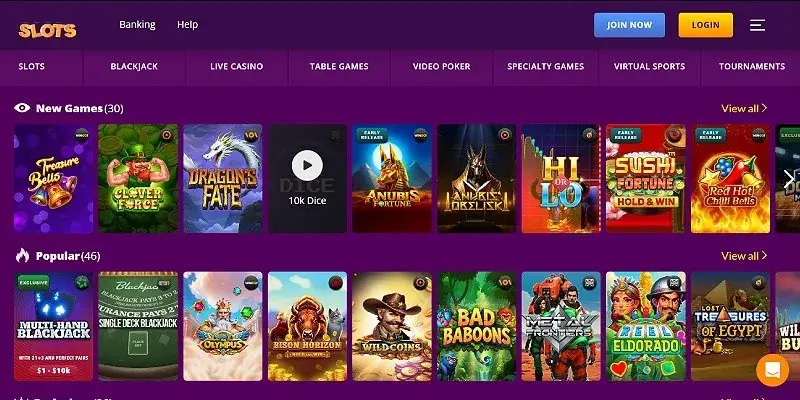
From my testing, the “operator-ready” part isn’t the casino UI—it’s the admin tools that keep players funded, limits enforced, and compliance audit-ready.
iGaming Turnkey Solution for Operators: Integration, Onboarding, and Go-Live
I’ve watched “integration” turn into weeks of surprises when partners misalign on environments. Sandbox first, then go-live so you catch KYC holds, payment callbacks, and operator roles early. Here’s what I push for.
- Set up 2 environments: dev + staging with production-like keys.
- Run 20 end-to-end test deposits/withdrawals before signing off.
- Confirm player identity sync between CRM and KYC provider.
- Schedule UAT window with rollback plan and status page.
- Demand a go-live checklist signed by engineering on both sides.
iGaming Software Provider vs. Turnkey Provider: Comparison Table for Decision-Makers
I used to buy from an iGaming software provider, then hire extra devs anyway. Turnkey usually costs more up front, but it reduces coordination risk. This table is how I explain it to operators.
| Option | what you handle | typical timeline |
|---|---|---|
| iGaming software provider | integration + onboarding | 8–16 weeks |
| turnkey gaming solutions for operators | review only | 4–10 weeks |
| hybrid (best-of-both) | some APIs, some modules | 6–12 weeks |
| DIY with B2B partners | everything | 12–24 weeks |
API Casino Software and Gaming API Integration for Seamless Casino Platform Integration
I stress-test gaming API integration by pulling real bet/settlement traffic through logs. Gaming API integration cuts custom middleware and speeds casino platform integration. I’ve seen operators win time when webhooks and idempotency are nailed. Use OAuth scopes, version endpoints, and require clear error codes.
Scalable B2B Gaming Technology: Modular, API-Driven, and Future-Proof Platforms
Scalability sounds abstract until your peak load hits. Modular casino platform design is what keeps you stable when you add a new B2B brand, sportsbook, or extra slot content. In my work, API-driven rollouts beat “big bang” releases every time. I’d only sign if monitoring, feature flags, and throttling are built-in.
FAQ
What’s included in a B2B igaming turnkey solution?
You should get slot content, casino software modules, player workflows, and compliance-ready onboarding. In my tests, the value comes from one owner for integration and go-live.
How do B2B slots and slot content affect compatibility?
Compatibility depends on RTP/payline mapping and correct feed formats into your back office. I always validate jackpots and bonus events in a sandbox before signing.
Which casino software modules matter most for operators?
Admin tools—limits, approvals, CRM/CMS workflows, and compliance reporting—decide launch speed. I’ve seen UI polish matter less than reliable back office controls.
Is white label casino software actually faster to launch?
It can be, if branding is the only real customization and the core workflows are already clean. I required audit logs and role checks to avoid surprises.
What should teams prioritize during integration and onboarding?
Start with sandbox testing, run end-to-end deposits/withdrawals, and verify identity sync. Then schedule UAT with a rollback plan.
Do you really need API casino software for future scaling?
Yes, if you want modular growth without rewriting middleware. In practice, API-driven rollouts plus monitoring and feature flags keep launches predictable.
